Zamanın Durduğu Şehir: Viyana'da Mimari İhtişam ve Gastronomik Bir Serüven
The City Where Time Stands Still: Architectural Magnificence and a Gastronomic Adventure in Vienna
For me, traveling has never been just about changing geographical location. Going to a city; To read its architectural texture, to feel the rhythm of its streets on the soles of your feet, to get involved in the daily flow of its people for a while and to discover new tastes in the cuisine of those lands that will leave a mark on your palate. Just like engineering, every city has its own statics and its own dynamism. Some struggle to stand, while others have been standing for centuries without any difficulty, by stretching, so to speak.
Recently, I have changed my route far away from the chaotic rhythm of the industrial revolution and modernism; Steeped in history, the capital of art, music and aristocracy viennaI turned it to . After the cool air of the north and the non-stop flow of London, which almost pushes people on their backs, Vienna's orderly, noble and challenging stance against the past was a brand new visual and cultural reading for me.
Because Vienna is a city that was designed to be the capital of an empire and has never given up on this claim. While Austria's population today is the size of a borough of London, the city's streets are still wide enough to accommodate a much larger crowd. This difference in scale creates a strange and pleasant feeling of relief from the first moment: It is as if you are wandering around in a much more magnificent time that does not belong to you.
A Gothic Engineering Marvel: St. Stephen's Cathedral
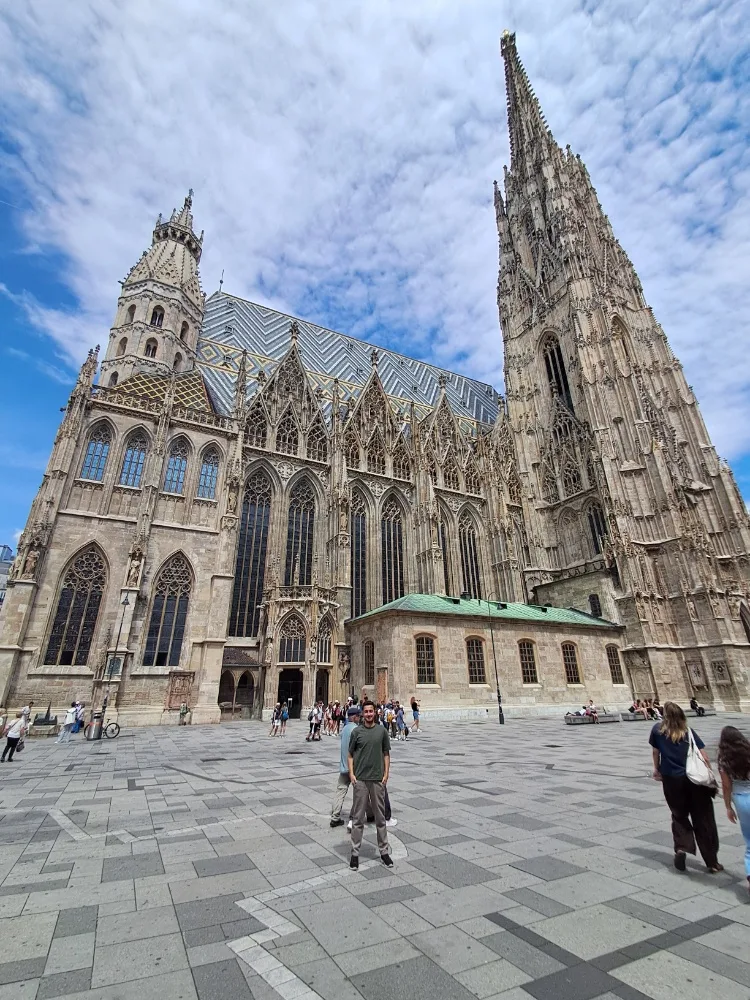
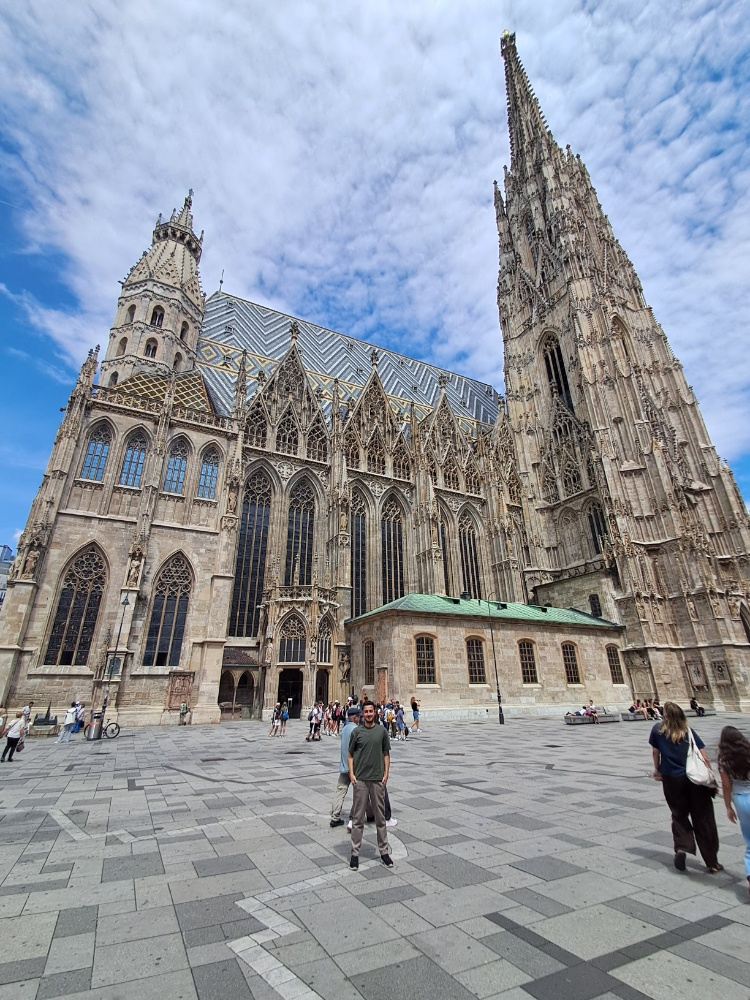
The first stop of my journey and the heart of the city, piercing the sky with its magnificence. St. Stephen's Cathedral (Stephansdom) happened. This gothic building, which has been rising like a monument for centuries in the very center of the city, in the square where modern life flows, is an architectural masterpiece.
What really impressed me was this: This cathedral was not built all at once, with a single plan. It has taken its current form through additions and demolition over the centuries. There is a time difference of hundreds of years between the western façade, dating from the Romanesque period, and the southern tower, which rises towards the sky. So, what you actually have in front of you is the final version of a huge project that has been continued for generations. From an engineer's perspective, this idea of continuity between generations seems more impressive than the stone itself.
The south tower, reaching approximately 136 meters, was one of the tallest structures on the continent for a long time. The fine workmanship on its exterior, its majestic towers and, of course, its famous mosaic roof, reveal the vision of medieval engineering. More than two hundred thousand colorful, glazed tiles on the roof; placed one by one to form a double-headed eagle and city coat of arms. As the sun angle changes, the color of the roof also changes, and if you photograph the same structure two different times during the day, you will get two different frames.
Standing in the square and spending time in the shadow of this huge building was the perfect start to feel the static power of the city. Around you are tourists, the sounds of carriages, the smell of coffee and the bustling Viennese; Right in the middle is a mass of stones that has ignored all this noise for centuries. There could be no better entry point to understand the rhythm of the city.
A Magnificent Walk Through the Imperial Streets
After the cathedral, I started walking around the wide and orderly streets of Vienna. The city has such perfect planning that the buildings you encounter at every corner are works of art.
The story behind this order is as interesting as the buildings. The thick defensive walls that surrounded the city center until the mid-19th century were demolished by the emperor's decision and were built on that wide belt today. ringstrasse The magnificent boulevard known as the eponymous was built. In other words, Vienna abandoned its defensive reflex and replaced it with a showcase. Museums, parliament, opera, town hall and university; All of them are lined up on this ring, almost competing with each other. For someone who wants to understand the city, all they have to do is walk around this ring once or by tram.
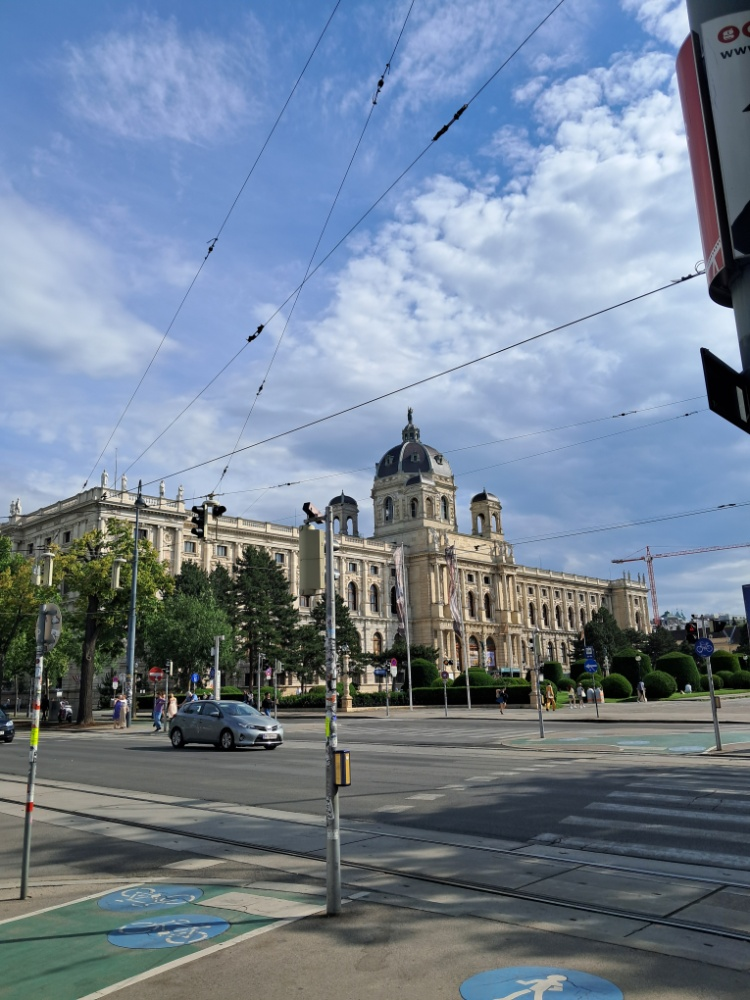
Especially Kunsthistorisches Museum It impressed me greatly. The museum is almost exactly the same as the Natural History Museum opposite; The two are positioned symmetrically on either side of a square, facing the Maria Theresia monument in the middle. The placement of two such large structures with such conscious symmetry shows that nothing is left to chance. This settlement idea, which puts art and science on equal terms, seemed to me to be one of the most elegant design decisions I thought about during my stay.
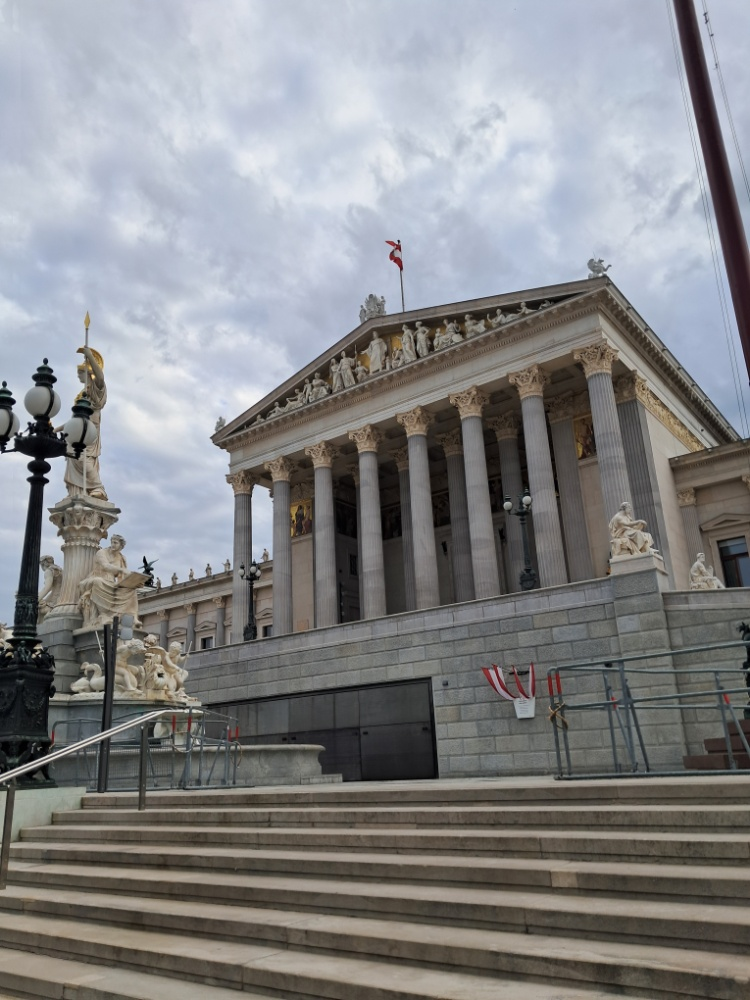
With columns reminiscent of Greek temples Austrian Parliament Building It gives a completely different message. The fact that an imperial parliament was built in the language of ancient Greek architecture, the birthplace of democracy, is a political choice in itself. The statue of Pallas Athena in front of it seems to say that wisdom and reasoning guard this building. When combined with the gothic towers of the City Hall (Rathaus) a little further away and the curved façade of the Burgtheater, the result is not a single style, but a conscious collection of styles.
Buildings in Vienna were built not only for shelter, but also to combine power and aesthetics in the same sentence. And most importantly: All this magnificence makes you feel good instead of overwhelming you. The sidewalks are wide, there are plenty of trees, and the noise is low. The city reminds you that it's something to look at, but it doesn't do it by shouting.
A Peak in Taste: Figlmüller and the Legendary Schnitzel Experience
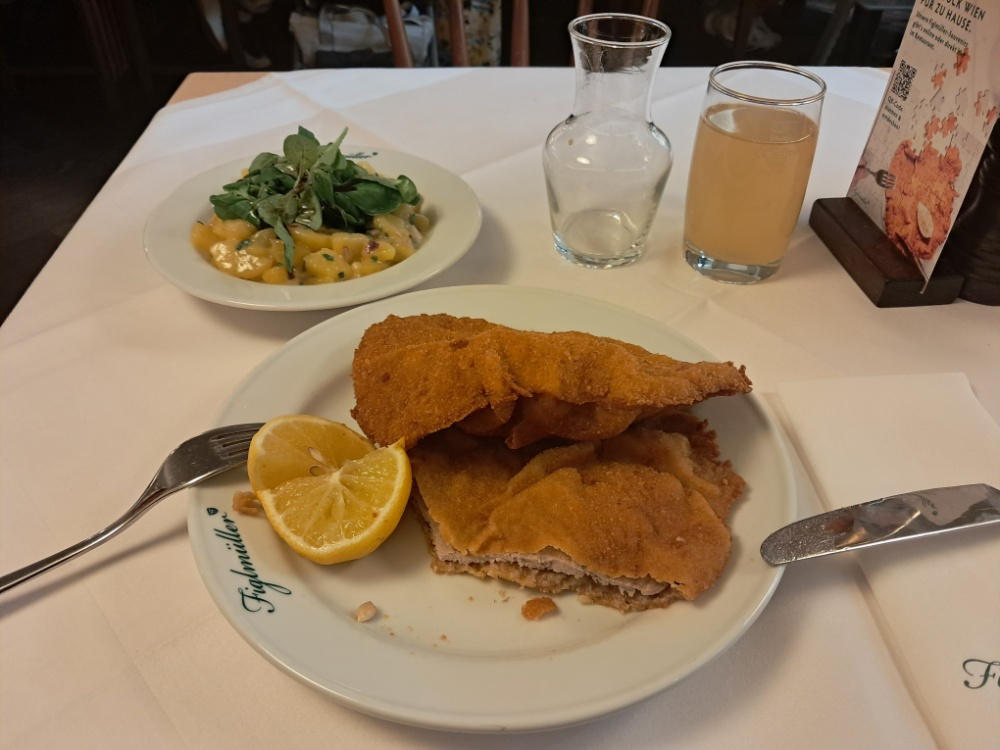
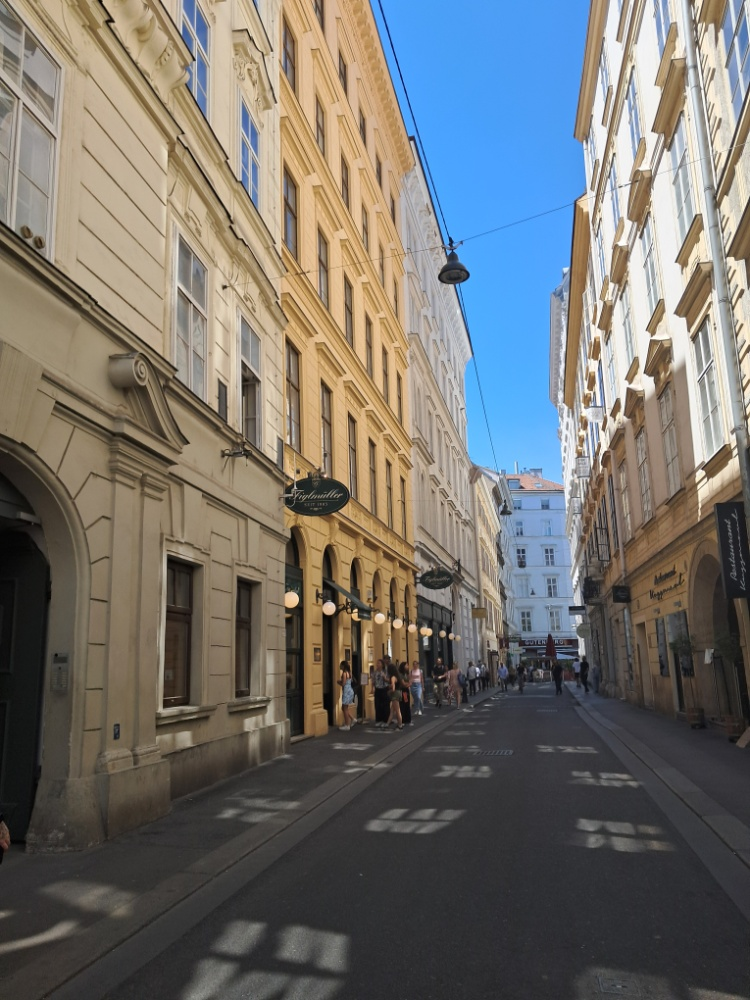
The most "delicious" and iconic moment of the trip was definitely our stop where we witnessed the gastronomic heritage of Vienna. Welcoming us with a yellow sign on a narrow and historical street, Figlmüller, was the best proof of what kind of culture a food can transform into. Just like the innovative flavors I experienced in London before, I witnessed the flawless execution of a deep-rooted tradition here, too. The difference was this: in London, taste came from trying something new, whereas here it came from doing the same thing without changing it for a hundred years.
The story of the place dates back to the early 1900s, and it has been in the hands of the same family, on the same narrow street, since then. That rhythmic hammering sound coming from the kitchen as soon as you enter the door actually tells you everything from the beginning: Here, the meat is patiently thinned until it reaches the size of a plate. It is then coated in flour, egg and breadcrumbs and fried in plenty of oil at high temperatures so that the coating separates slightly from the meat and swells. The result is a schnitzel that is unadorned, crispy and surprisingly light.
The highlights of the masterpiece of "Die Wiener Küche" (Viennese Cuisine) culture that came to our table were:
- Viennese Schnitzel: A work of mastery that goes beyond the limits of the plate, is thinly pounded and golden on the outside, fried to perfection. The balance between the texture of the meat and the crispiness of the coating was superb. A few drops of lemon squeezed on top completes the whole picture; It instantly relieved the weight.
- Viennese Potato Salad (Kartoffelsalat): This side flavor, slightly sour and blended with sweet onions and fresh herbs, perfectly balanced the satisfying weight of the schnitzel and refreshed the palate. It is completely different from the mayonnaise potato salads we are used to; Since it is prepared with vinegar and broth, it is much lighter and more appetizing.
I would like to add as a small note: In Austria, the name "Wiener Schnitzel" officially belongs to the version made with veal. More affordable options, which you frequently encounter on menus, are usually prepared from pork. Therefore, confirming the type of meat when ordering is beneficial in preserving both your expectations and preferences.
This meal was not just a touristic meal, it was like feeling the historical texture of the city on your palate. I liked that the "ostentatious but understated" logic that I had been reading about since the morning appeared on the plate as well: A single ingredient, expertly processed, with nothing more than necessary added to it.
A Sweet Break in Harmony, Not Chaos: Cafe Sacher
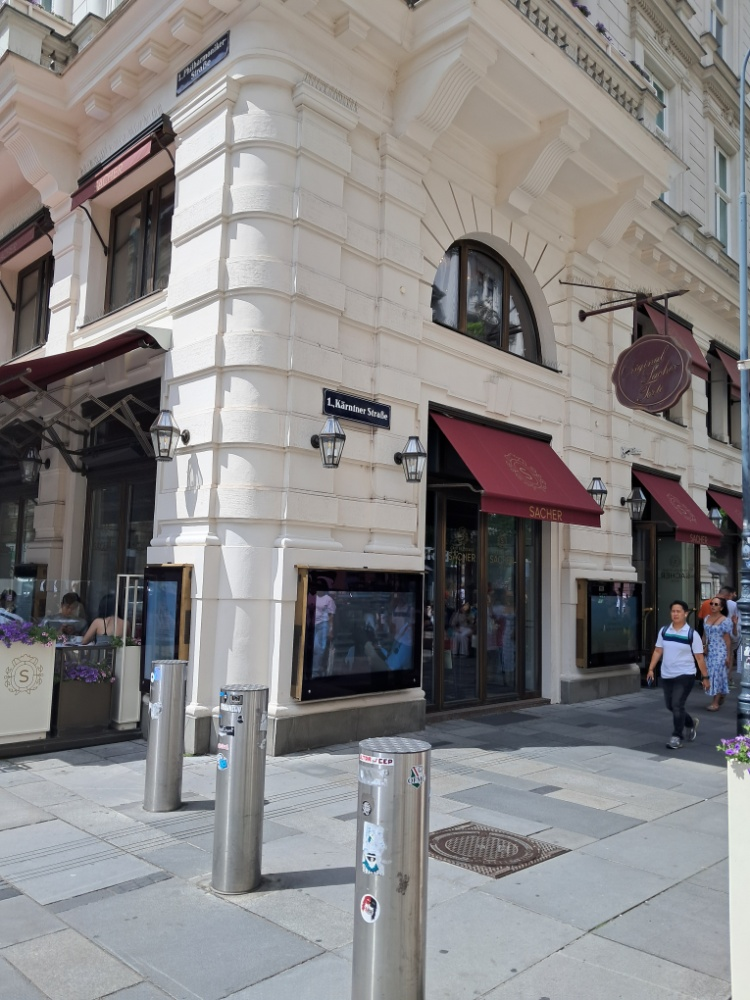
After a full day of walking and walking, you can relax at the prestigious corner of Kärntner Street. Café SacherWe stepped into . Unlike the dynamic chaos of London, Vienna's coffeehouses are oases of aristocracy where time slows down.
The coffeehouse culture here is not based on "drinking coffee and waking up" like in our country. On the contrary, sitting; Reading newspapers, writing, thinking and staying for hours is seen as a right. Considering that a significant part of the city's intellectual history was written at these tables, one actually sits in the chair with a little more respect.
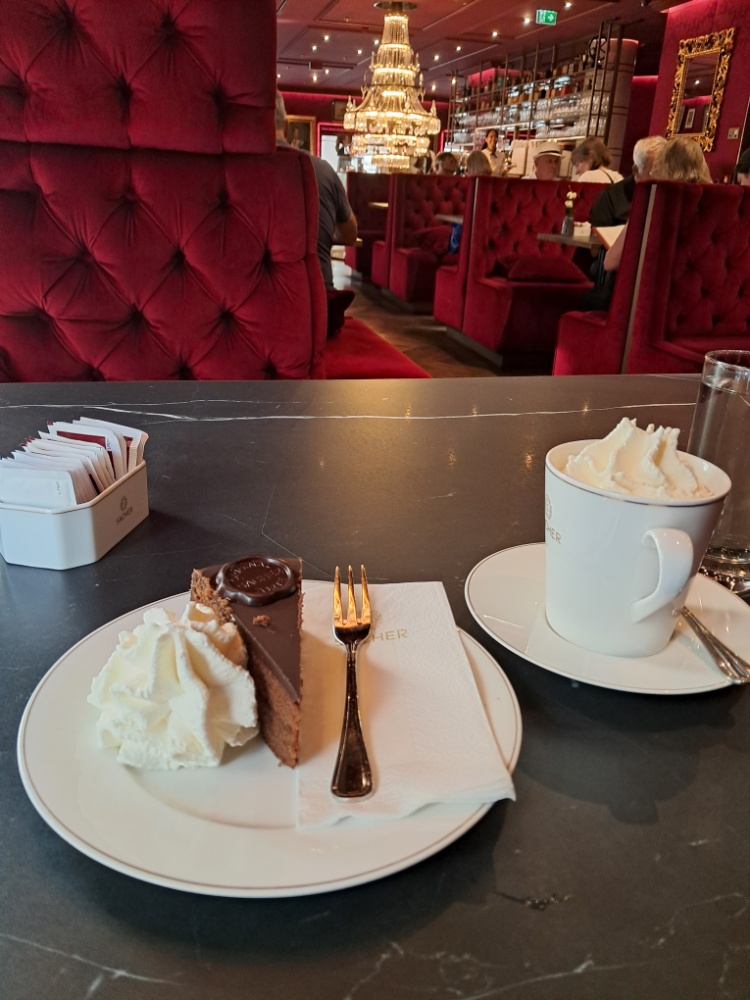
Under the red velvet sofas and elegant chandeliers inside, you can find delicious food served with the original chocolate seal on it. sachertorteWe experienced . The story of the recipe is just right for this city: In the first half of the 1800s, this cake was prepared for a prince by a young pastry chef who was still an apprentice, and years later, between two different places, the question "Which one is the real Sachertorte?" It has been the subject of controversy and a legal struggle that lasted for years. We are talking about a city where people go to court for a dessert; This alone summarizes the importance the Viennese attach to tradition.
Intense chocolate meets the slightly tart apricot marmalade and the sugar-free whipped cream served on the side breaks this intensity... On the one hand, a delicious Vienna Melange coffee, on the other hand, this elite taste; It washed away all the tiredness of the day. By the way, Melange should also be noted: It is a unique balance, softer than cappuccino, served with espresso, hot milk and a thin layer of milk foam on top. It is almost a necessary complement to the density of the cake.
Small Notes for Those Going to Vienna
Based on my own experience, I would like to leave a few practical headlines for those considering the same route:
- Travel the Ring line by tram. Most of the magnificent buildings of the city are on this ring. When you are tired, getting on the tram and touring the entire line allows you to both relax and get the general plan of the city in your mind.
- Reservations are required for popular venues. Long queues may form in front of iconic restaurants, especially in the evening hours. Arranging it in advance greatly simplifies your travel plan.
- Don't underestimate food portions. A single schnitzel can often easily feed two people. A serious warning for those who want to leave room for dessert.
- Don't rush in coffeehouses. You pay a price not for the time you stay here, but for the experience. A Melange drunk in a hurry has no value.
- Don't forget walking shoes. Although the distances in the city center are walkable, those wide boulevards increase your step count to levels you never expected at the end of the day.
Final Word and Future Routes
This journey from England to the heart of Europe, Vienna, showed me once again that; Even though the places change, for eyes that know how to look, each city is a different school and each flavor is a different discovery. The perfect statics on Vienna's streets, combined with the deep-rooted heritage of its cuisine, created an unforgettable experience.
London had taught me the allure of speed and change; Vienna reminded us the opposite, that slowing down and protecting is also a kind of success. Both are true, both are valuable. Perhaps the real meaning of traveling is to be able to carry these two opposing lessons in the same bag.
All that remains from this full-fledged trip are these frames stuck in my viewfinder and those noble tastes lingering on my palate. I hope to read the architecture and rhythm of other cities on the next route and new experiences.
With love and respect.
Related Articles
The City Where Time Flows in Its Own Rhythm: Gothic Architectural and Cultural Touches in Prague
A journey from modern architecture to the fascinating atmosphere of the Middle Ages. From the engineering of the Astronomical Clock to the gothic sple...
Read More →The City Where Time Stops: Architectural Splendor and a Gastronomic Adventure in Vienna
A journey through the orderly streets of Vienna, the noble capital of Europe. From the gothic splendor of St. Stephen's Cathedral to Figlmüller's fam...
Read More →Şehirlerin Ritmi: Manchester’dan Londra’ya Bir Mimari ve Lezzet Yolculuğu
Sanayi devriminin başkenti Manchester’ın dinginliğinden, Londra’nın hiç uyumayan dinamizmine uzanan bir perspektif değişimi. Mimari dokunun...
Read More →