TEKNOFEST Carbon Fiber Monocoque Chassis Design and Production
12 kg carbon fiber sandwich composite monocoque chassis design, ANSYS FEA analysis and vacuum bagging production process for TEKNOFEST Efficiency Challenge
🏎️ TEKNOFEST
Carbon Fiber Monocoque Chassis Project
High performance sandwich composite monocoque chassis designed, manufactured and optimized for Efficiency Challenge Electric Vehicle Racing
|
12kg
Total Weight
|
22mm
Panel Thickness
|
6 Floors
Carbon Fiber
|
1.5 Days
Curing Time
|
Purpose and Scope of the Project
The main aim of this project is to TÜBİTAK organized by TEKNOFEST Efficiency Challenge Electric Vehicle RacesOur aim was to develop an innovative chassis that combines performance, safety and lightness criteria for our team that will participate in the . The importance of electric vehicles is increasing day by day due to increasing fossil fuel prices and strict emission standards.
⚖️ Lightness and High StrengthMinimizing the vehicle's overall weight and maximizing structural integrity by using a sandwich composite structure of carbon fiber and PVC foam instead of traditional chassis materials. |
🔩 RigidityTo provide torsional and bending rigidity, which is critical for the vehicle's handling and driving dynamics. |
🛡️ Safety and ErgonomicsTo create an ergonomic design that complies with competition regulations, ensures pilot safety. |
🏭 ManufacturabilityTransforming the theoretical design into a physical product with modern composite production techniques such as vacuum bagging. |
Design Process (CAD)
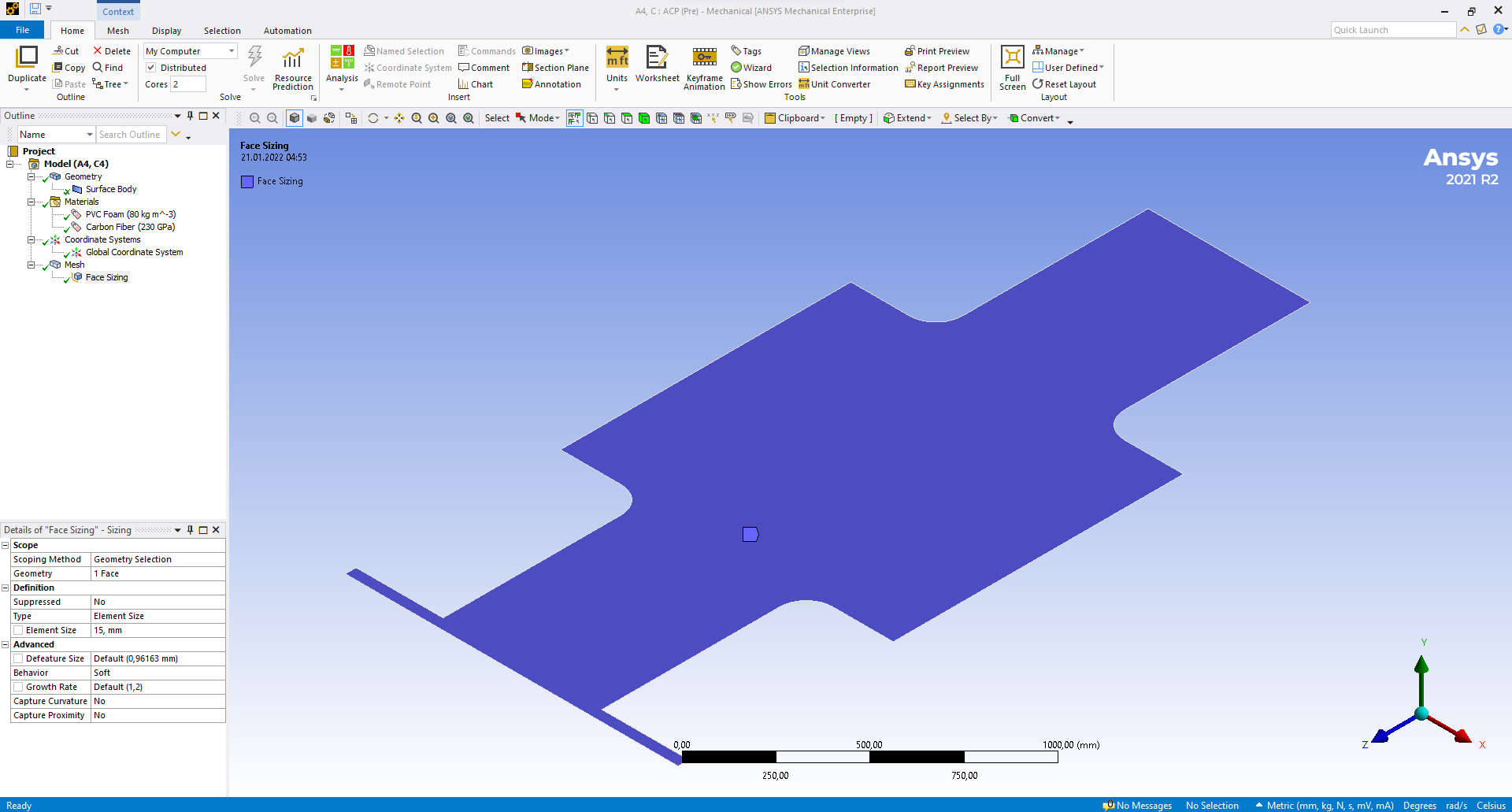
chassis design, Solidworks It was carried out with meticulous work using a solid modeling program. The following parameters were taken into account during the design phase:
📐 Sandwich Building Configuration
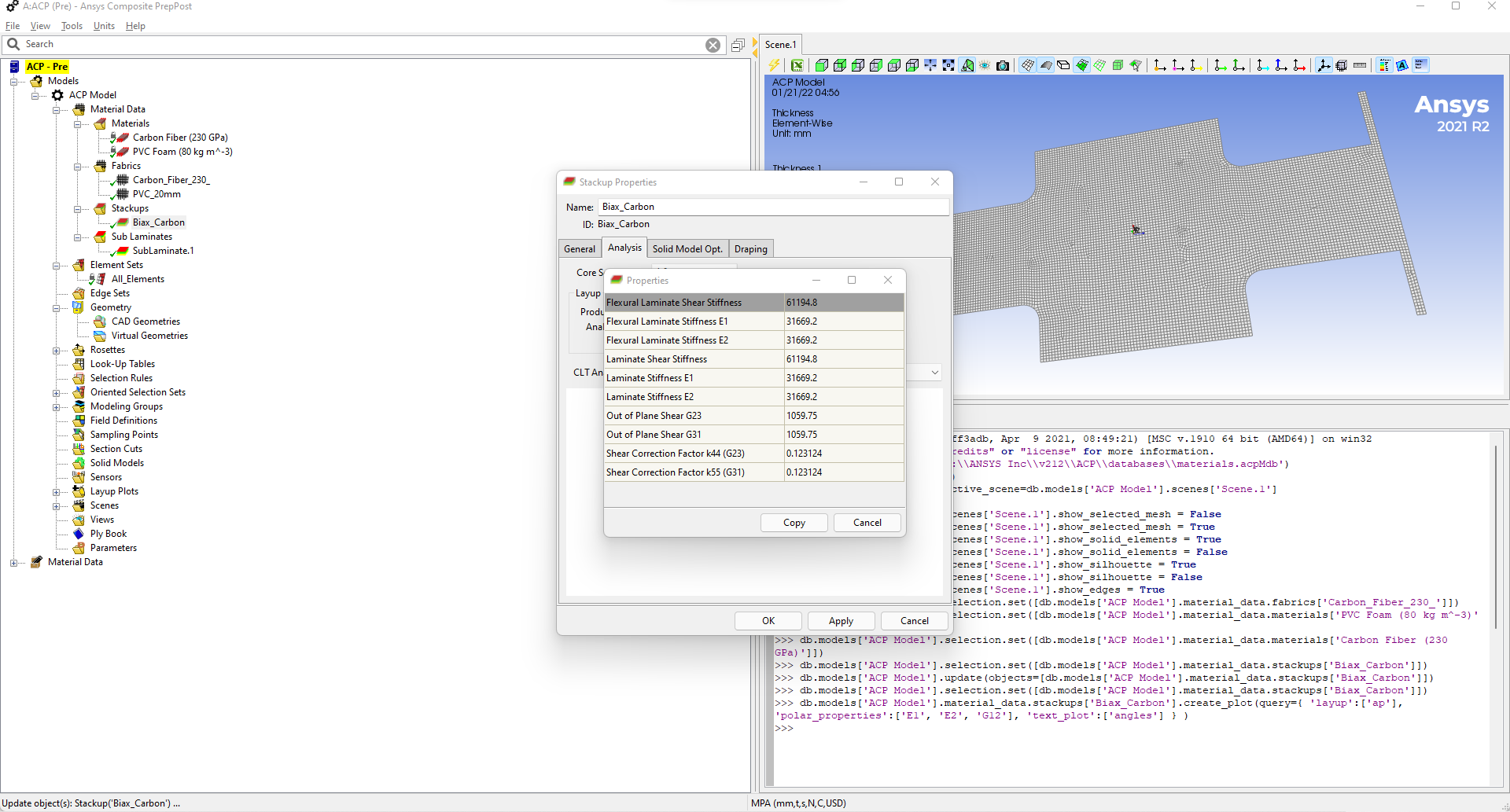
200 gr/m² 3k plain carbon fiber fabric with 3 layers on the bottom and 3 layers on top between these layers 20mm thick Airex C70.48 PVC foam created by placing 22mm thick A sandwich monocoque structure was designed.
Finite Element Analysis (FEA) and Optimization
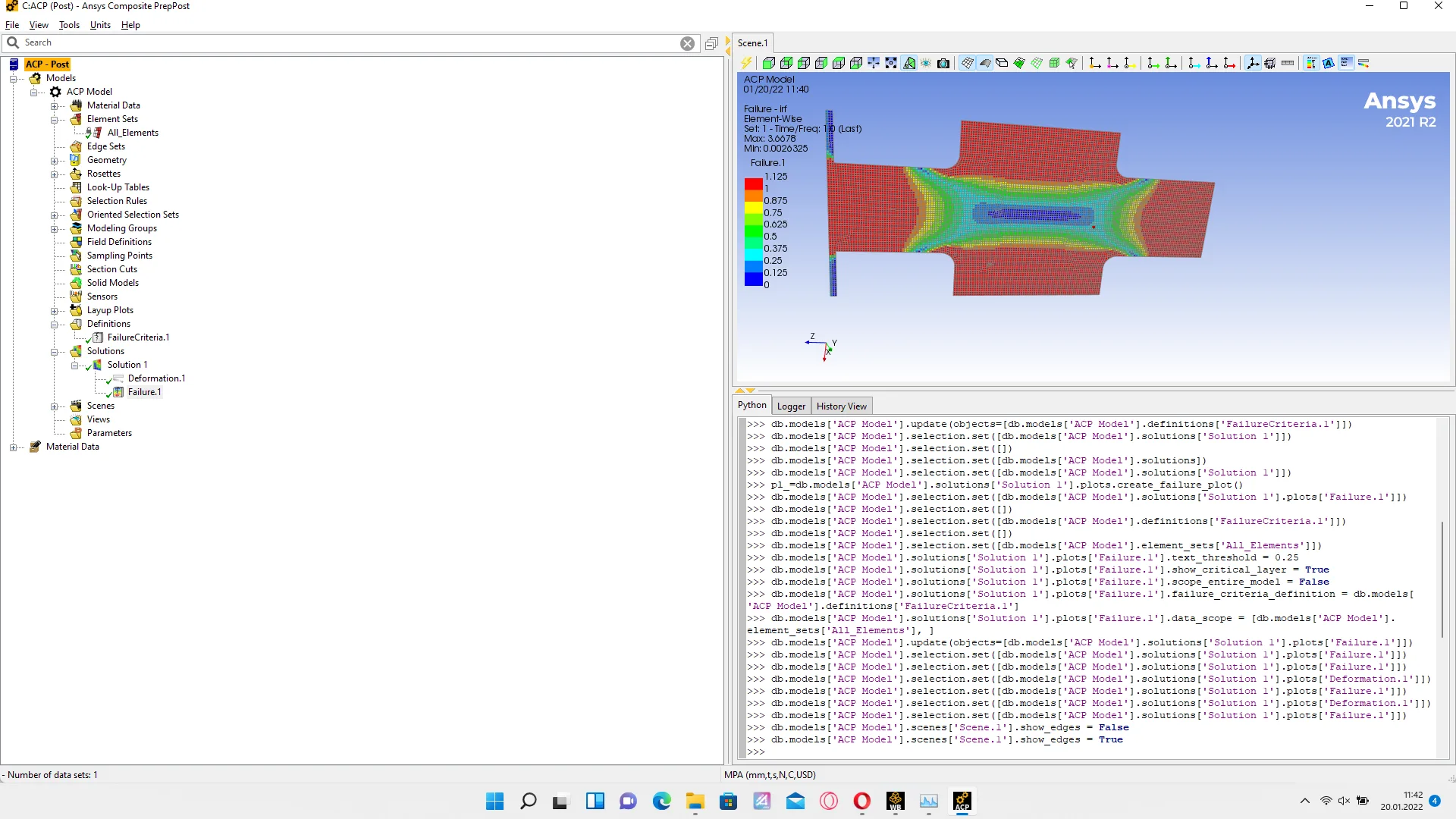
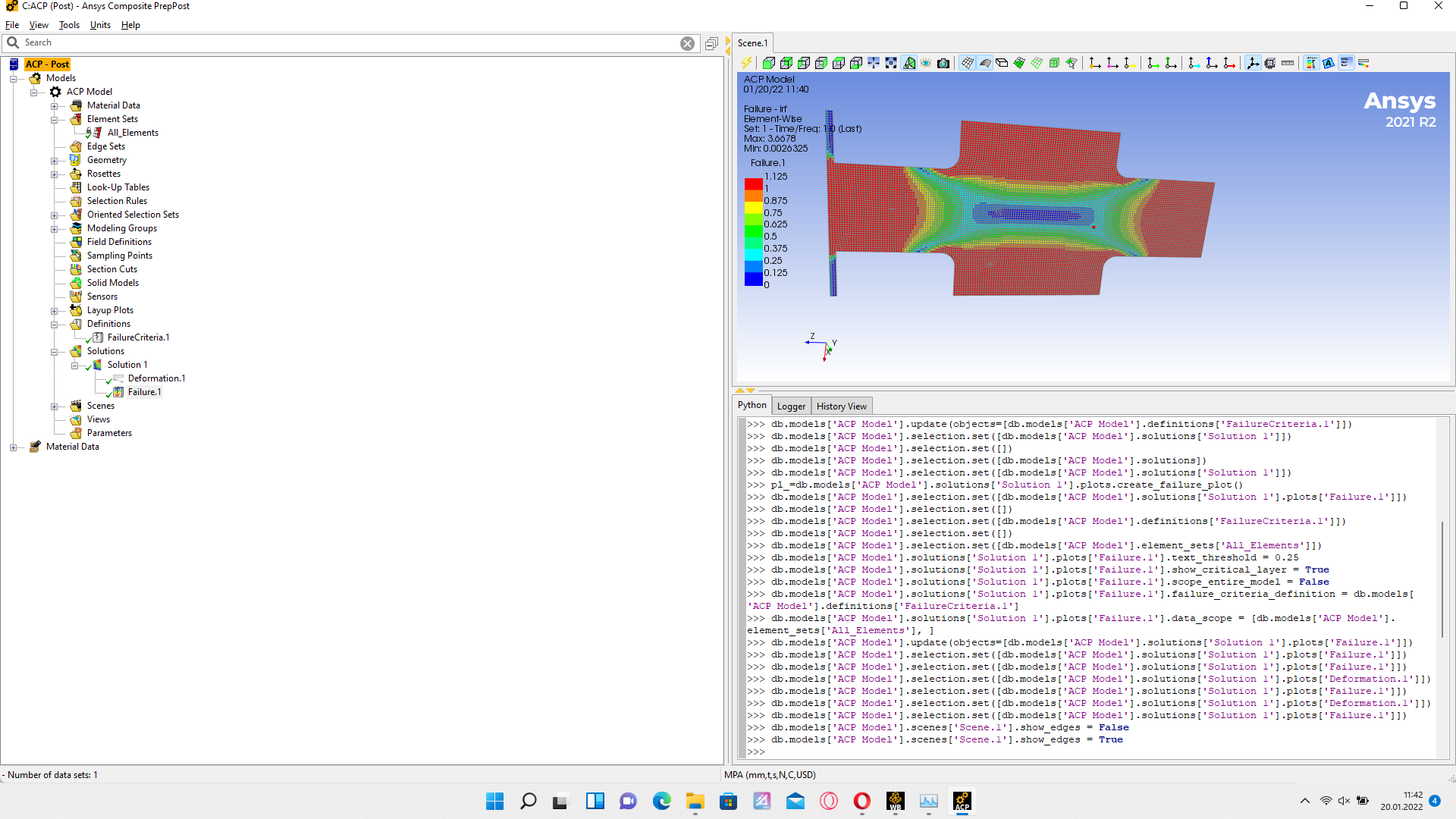
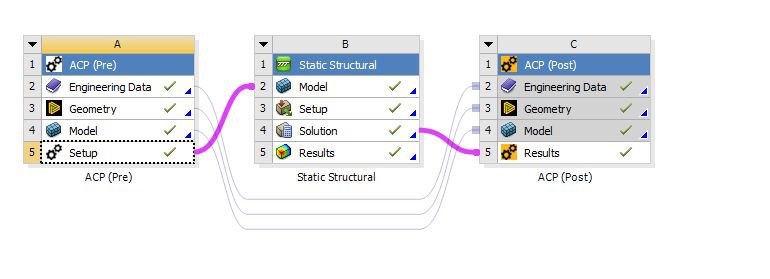
In order to verify the theoretical performance of the design and detect structural weaknesses ANSYS Workbench 2021 R2 program was used. Due to the complex structure of composite materials, analyzes are carried out by experts in this field. ACP (ANSYS Composite PrepPost) It was carried out with the module.
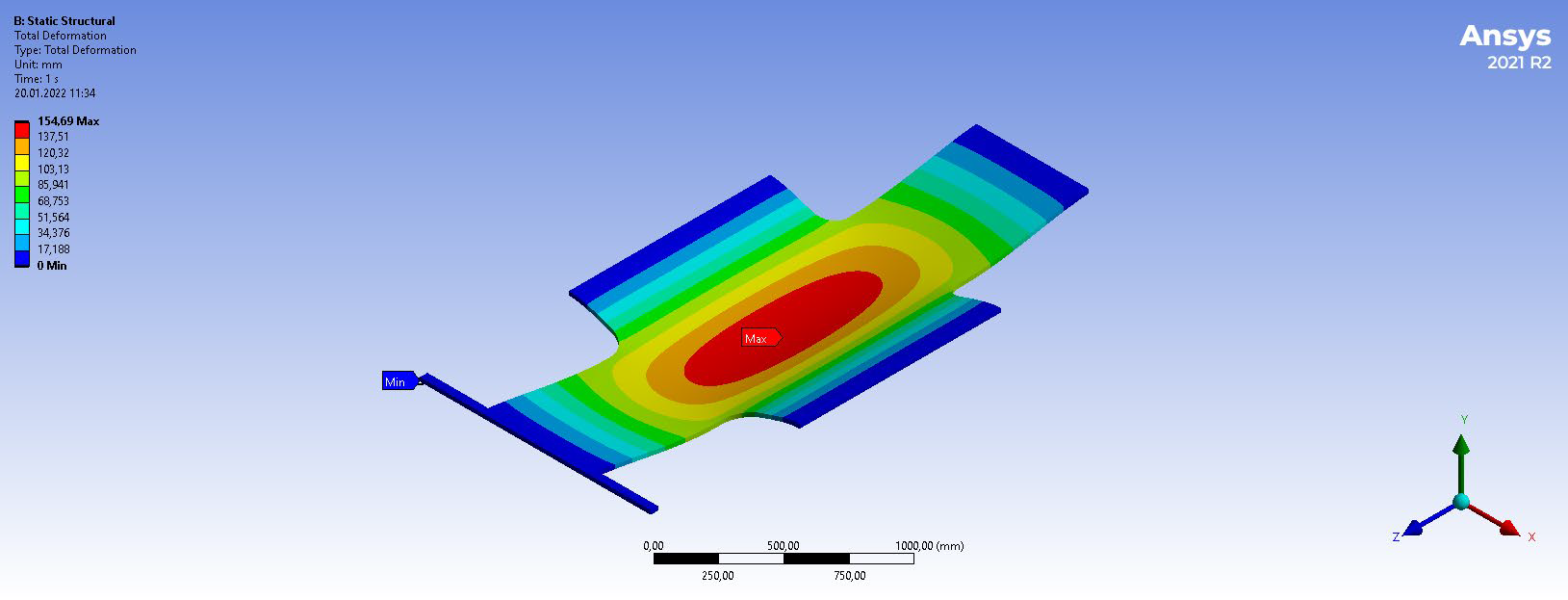
⚠️ First Analysis Result
As a result of the first analysis, in the middle part of the chassis 154.69mm A high deformation value such as was observed. This result showed that the design had a weak point.
✅ Optimization Process
In the light of the data obtained from the analysis, we returned to the Solidworks model and added structural reinforcements to the middle part of the chassis and designed the design. has been revised. This iterative process increased the strength of the design and reduced deformation to acceptable levels. This step proves that the project is not just a design study, but also an engineering optimization process.
Physical Production Process (Manufacturing)
After the design and analysis stages were successfully completed, physical production of the optimized chassis started. As a production method, it provides high fiber volume ratio and low void ratio. Vacuum Bagging Method was preferred.
📦 Materials Used
|
🧵
224 Plain Carbon Fiber Fabric |
🧱
Airex C70.48 and C70.75 PVC Foam |
|
🧪
MGS L160-H160 Epoxy Resin |
📦
Vacuum Bagging Set |
🔄 Production Steps
Mold Preparation
The wooden mold surface is cleaned to prevent the piece from sticking. wax (mould release agent) It was covered with.
Lower Carbon Fiber Layers
The first 3 layers of carbon fiber fabric were laid on the mold and each layer by hand deposit method It was saturated with epoxy resin prepared in a ratio of 100:25.
Foam Core Placement
A resin-impregnated PVC foam core was placed on top of layers of carbon fiber.
Top Carbon Fiber Layers
The remaining 3 layers of carbon fiber were laid on the foam in the same way and resinized.
Auxiliary Material Layers
In order to absorb excess resin and bond the layers tightly, the structure is peel cloth, escape bag and vacuum blanket It was covered with.
Vacuum Application
whole structure vacuum bag It was taken inside, sealed with sealing tape, and the air inside was completely removed with the vacuum pump.
curing
building, 1.5 days It was left to cure (freeze) under vacuum for a long time.
Project Result
Successfully Completed!
At the end of all these challenging processes, a carbon fiber composite monocoque chassis with high strength and rigidity, ready for TEKNOFEST races, was successfully produced.
This project covers everything from concept to design, simulation to optimization and finally physical production. all engineering disciplines It was a comprehensive comprehensive study.
Software and technologies used within the scope of this project:
Gallery
Related Projects
View All ->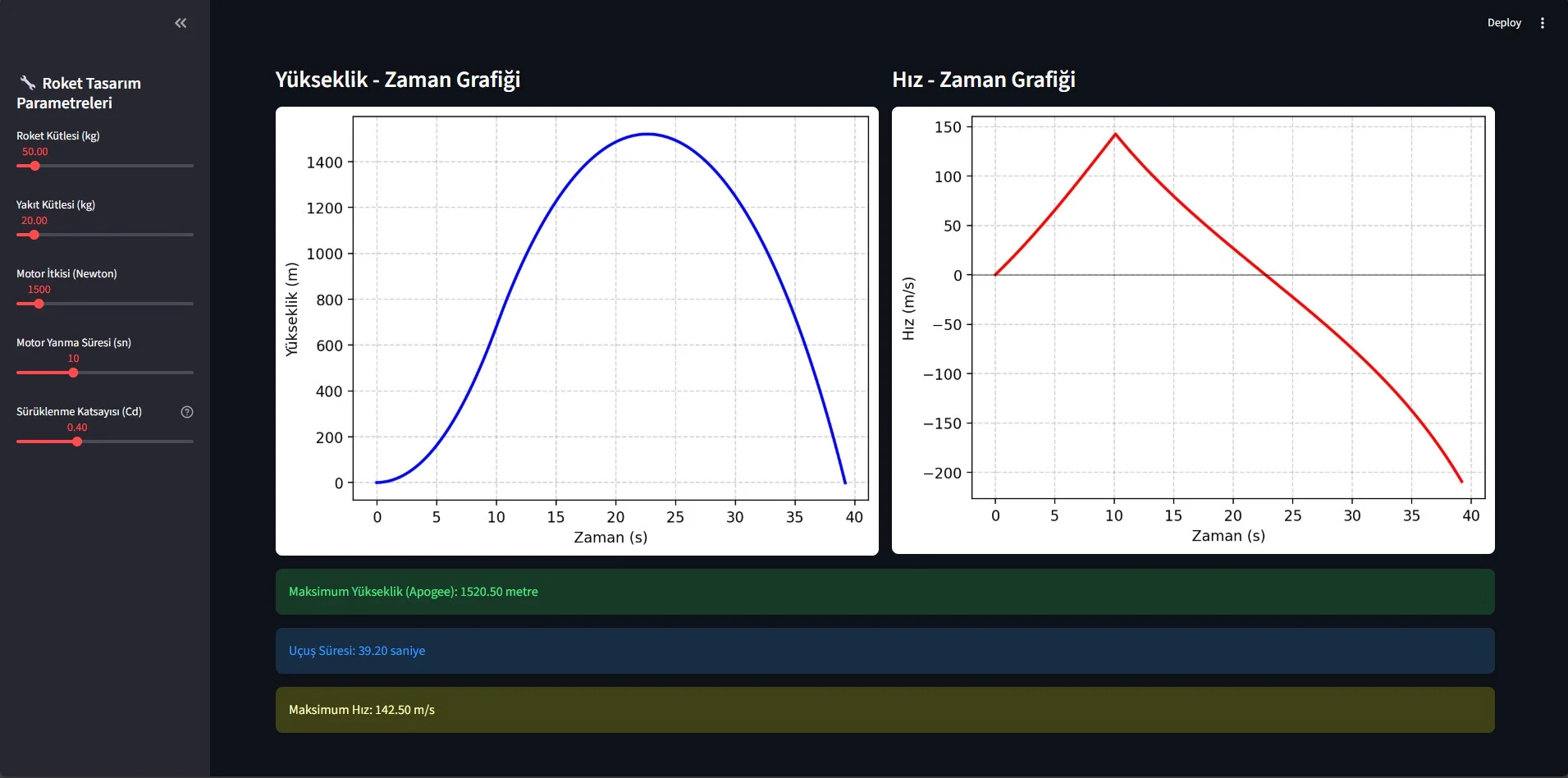
SkyTrace - Python Based Rocket Orbital Simulation
Parametric rocket simulation developed with Newton's laws of motion and aerodynamic drag principles....
View Project arrow_right_alt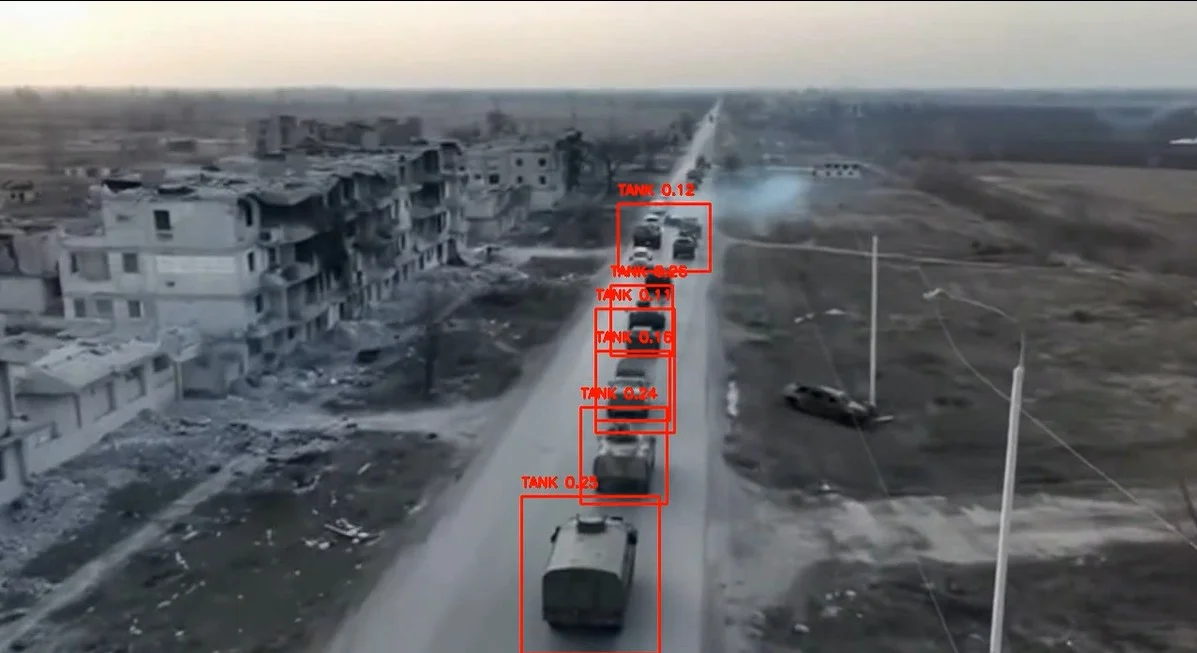
Real-Time Tank and Armored Vehicle Detection with Spotter UAV-YOLOv8
YOLOv8-based autonomous threat detection system for the defense industry. Real-time detection of tan...
View Project arrow_right_alt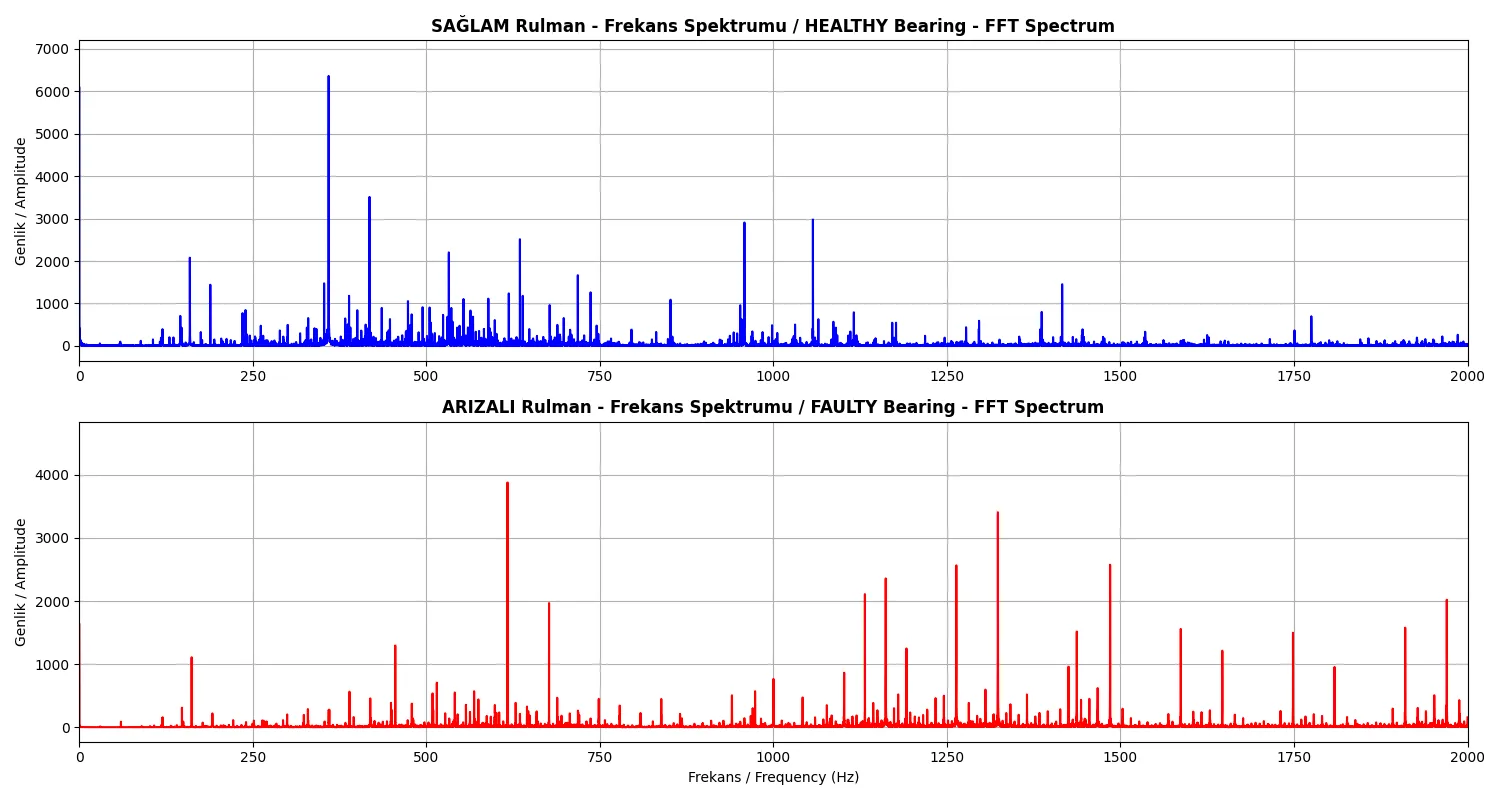
Bearing Fault Detection - Predictive Maintenance and Machine Learning Project
Project to detect bearing faults with 100% accuracy using CWRU vibration data with FFT signal proces...
View Project arrow_right_alt